Trump’s Strategic Fumble in a New Age of Geopolitical Rivalry
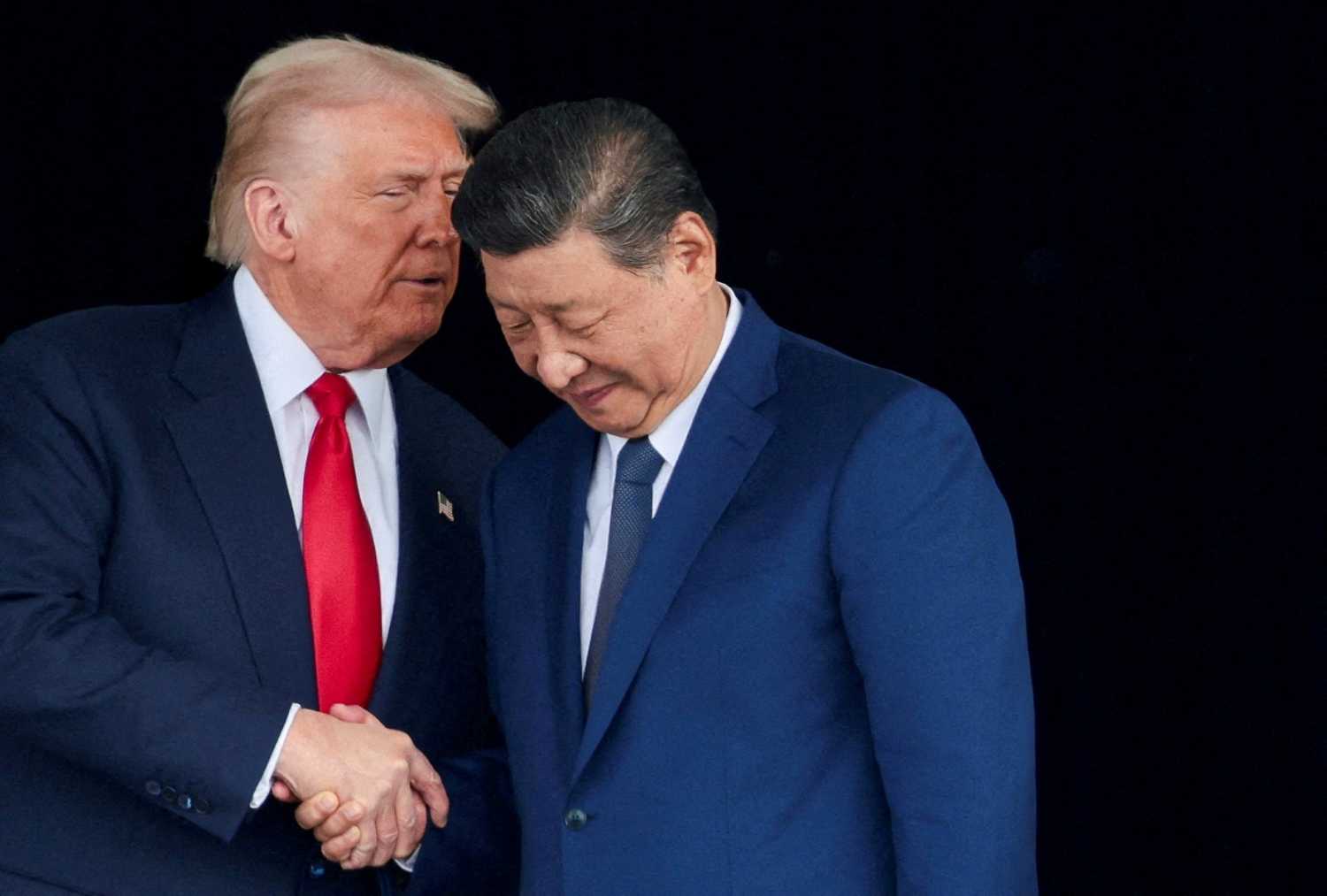 |
US President Donald Trump whispering in China's Xi Jinpin earIn this new age of ambiguous strategic rivalry in geopolitics among Washington, Beijing, Moscow, Tehran, etc., I thought the United States, under President Trump’s second term, would seek strategic relationships based on mutual interest and respect. I thought the alarming bell he had been ringing at his campaign trails about why he must take on China to contain its rapid economic and military growth and its increasing dominance in the South China Sea was serious from the first day in office. I thought he would build win-win bridges across the world to facilitate mutual partnerships and access for Africa, Asia, and Europe to US markets, and vice versa. |
Instead, Bibi Netanyahu lured him into a war with Iran: he also threatened to buy Greenland forcefully; again, slapped a swath of trade tariffs on foreign countries; and later deodorized this strategic blunder with sanctions and extreme regulations for foreigners. It's obvious that Israel's powerful AIPAC lobbyists outsmarted the US into abandoning its most important strategic threats repeatedly claimed to be posed by China to US interests around the world.
As a consequence, many countries, including the US's closest allies, no longer viewed the country as a stabilizing force. The Trump administration’s flagrant violation of international law, as well as its impulsive decision-making, led many countries, including natural allies, to pivot towards China. Without a doubt, Beijing has, in recent years, proven to be a stabilizing power capable of brokering peace deals around the world. In the not-so-distant past, Beijing worked around the clock, which facilitated the normalization of diplomatic relations between Tehran and Riyadh.
At the moment, Donald Trump and his closest “yes men” circle have embarked on the path to finally put to rest the US's more than two centuries of hegemony. The next US president would spend their 4/8 years in the Oval Office trying to convince world leaders to give the country a second chance by trusting it as a global economic and security powerhouse. Despite this, observers will continue to see Operation Epic Fury in Iran as a strategic misplacement of priority, based on its outcome and the “no more foreign wars” rhetoric Trump ran on. Washington has now been left with years to clean up the mess it created in the Middle East and in its global image. In the grand scheme of the ongoing geopolitical rivalry, Washington has tried multiple times to get ahead of China’s rise, but all attempts have proved futile. Recently, Beijing’s economic growth has stalled, which presented a good opportunity for the Trump administration to capitalize on; instead, it chose a war in Iran with no clear or, rather, well-thought-out exit strategy, all credit to impulsive leadership and Bibi Netanyahu’s sweet talk.



Comments
Post a Comment